
Introduction
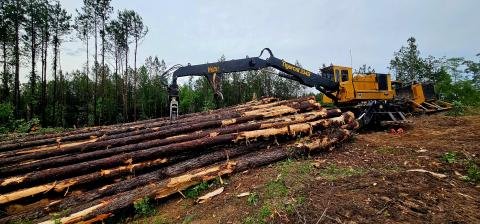
Timber is one of the most widely used construction and interior materials because of its strength, flexibility, and natural appearance. However, wood is also vulnerable to long-term damage from termites, woodworms, moisture, fungi, and environmental stress. Without proper protection, even high-quality timber can deteriorate faster than expected, leading to expensive repairs or replacement.
Modern preservation systems like Shashel are designed to solve this problem by protecting wood from inside out, significantly extending its usable lifespan in homes, commercial buildings, and heritage structures.visit for more details Shashel
1. Eliminating Hidden Timber Pests
One of the biggest factors that reduces timber lifespan is hidden insect activity. Termites and woodworms live deep inside wood and slowly destroy its internal structure.
Shashel helps by:
- Removing termites inside beams and furniture
- Eliminating woodworm larvae and eggs
- Stopping internal tunneling damage
- Preventing reinfestation cycles
By eliminating pests at the source, timber remains strong for a much longer time.
2. Deep Internal Protection of Wood
Surface treatments only protect the outer layer, but most damage happens inside the wood. Shashel technology focuses on internal protection, which is crucial for long-term durability.
Shashel extends timber lifespan by:
- Reaching deep into wood fibers
- Treating internal weak zones
- Strengthening structural core
- Protecting hidden layers from decay
This ensures complete protection, not just surface-level coverage.
3. Preventing Moisture Damage
Moisture is one of the main causes of timber deterioration. It leads to swelling, cracking, rot, and fungal growth.
Shashel helps by:
- Reducing internal moisture conditions
- Preventing damp-related decay
- Improving wood stability in humid environments
- Lowering risk of fungal infestation
Dry and stable wood naturally lasts much longer.
4. Strengthening Internal Wood Structure
As timber ages, its internal fibers weaken due to stress, pests, and environmental exposure. This reduces its load-bearing capacity.
Shashel treatment supports timber longevity by:
- Reinforcing internal fiber structure
- Reducing hollow spaces caused by insects
- Improving density and strength
- Restoring stability in weakened wood
Stronger wood means longer service life.
5. Protection Against Fungal Decay
Fungi and mold can gradually break down wood, especially in damp environments like basements, kitchens, and roof areas.
Shashel helps by:
- Preventing fungal growth conditions
- Reducing moisture that supports decay
- Protecting internal wood layers
- Slowing long-term deterioration
This significantly increases durability in challenging environments.
6. Long-Term Pest Prevention
Extending timber lifespan is not only about removing existing damage but also preventing future problems.
Shashel provides long-term protection by:
- Making wood less attractive to insects
- Disrupting pest breeding cycles
- Creating internal resistance to infestation
- Reducing risk of repeated attacks
This ensures wood stays protected for years.
7. Reducing Structural Weakening Over Time
Wood naturally weakens with age, especially when exposed to pests and moisture. If untreated, this can lead to structural failure.
Shashel helps by:
- Maintaining load-bearing strength
- Preventing internal collapse of timber
- Supporting long-term structural stability
- Reducing progressive damage
This is especially important in beams and structural supports.
8. Preserving Furniture and Interior Wood
Timber lifespan is not only important in buildings but also in furniture and interior design elements.
Shashel extends lifespan by protecting:
- Wooden furniture frames
- Doors and windows
- Flooring and panels
- Decorative woodwork
This keeps wooden interiors usable and attractive for longer periods.
9. Supporting Restoration and Renovation
In older buildings, timber is often already partially damaged. Instead of replacing it, Shashel helps restore and extend its life.
It works by:
- Treating aged and weakened wood
- Stabilizing existing structures
- Preserving original material
- Reducing need for replacement
This is especially valuable in heritage and renovation projects.
10. Cost Savings Through Longer Timber Life
When timber lasts longer, maintenance and replacement costs are significantly reduced.
Benefits include:
- Fewer repairs over time
- Reduced need for new timber
- Lower maintenance expenses
- Higher property value retention
Longer lifespan directly leads to better economic efficiency.
Conclusion
Timber lifespan depends heavily on protection from pests, moisture, and internal decay. Without proper care, wood can deteriorate quickly and lose its structural and aesthetic value.
Through deep internal protection, pest elimination, moisture control, and structural reinforcement, Shashel plays a major role in extending the lifespan of timber in homes, commercial buildings, and heritage structures.
By ensuring long-term durability and stability, Shashel helps wood remain strong, functional, and visually appealing for many years beyond its expected life.
Introduction
Timber is one of the most widely used construction and interior materials because of its strength, flexibility, and natural appearance. However, wood is also vulnerable to long-term damage from termites, woodworms, moisture, fungi, and environmental stress. Without proper protection, even high-quality timber can deteriorate faster than expected, leading to expensive repairs or replacement.
Modern preservation systems like Shashel are designed to solve this problem by protecting wood from inside out, significantly extending its usable lifespan in homes, commercial buildings, and heritage structures.
1. Eliminating Hidden Timber Pests
One of the biggest factors that reduces timber lifespan is hidden insect activity. Termites and woodworms live deep inside wood and slowly destroy its internal structure.
Shashel helps by:
- Removing termites inside beams and furniture
- Eliminating woodworm larvae and eggs
- Stopping internal tunneling damage
- Preventing reinfestation cycles
By eliminating pests at the source, timber remains strong for a much longer time.
2. Deep Internal Protection of Wood
Surface treatments only protect the outer layer, but most damage happens inside the wood. Shashel technology focuses on internal protection, which is crucial for long-term durability.
Shashel extends timber lifespan by:
- Reaching deep into wood fibers
- Treating internal weak zones
- Strengthening structural core
- Protecting hidden layers from decay
This ensures complete protection, not just surface-level coverage.
3. Preventing Moisture Damage
Moisture is one of the main causes of timber deterioration. It leads to swelling, cracking, rot, and fungal growth.
Shashel helps by:
- Reducing internal moisture conditions
- Preventing damp-related decay
- Improving wood stability in humid environments
- Lowering risk of fungal infestation
Dry and stable wood naturally lasts much longer.
4. Strengthening Internal Wood Structure
As timber ages, its internal fibers weaken due to stress, pests, and environmental exposure. This reduces its load-bearing capacity.
Shashel treatment supports timber longevity by:
- Reinforcing internal fiber structure
- Reducing hollow spaces caused by insects
- Improving density and strength
- Restoring stability in weakened wood
Stronger wood means longer service life.
5. Protection Against Fungal Decay
Fungi and mold can gradually break down wood, especially in damp environments like basements, kitchens, and roof areas.
Shashel helps by:
- Preventing fungal growth conditions
- Reducing moisture that supports decay
- Protecting internal wood layers
- Slowing long-term deterioration
This significantly increases durability in challenging environments.
6. Long-Term Pest Prevention
Extending timber lifespan is not only about removing existing damage but also preventing future problems.
Shashel provides long-term protection by:
- Making wood less attractive to insects
- Disrupting pest breeding cycles
- Creating internal resistance to infestation
- Reducing risk of repeated attacks
This ensures wood stays protected for years.
7. Reducing Structural Weakening Over Time
Wood naturally weakens with age, especially when exposed to pests and moisture. If untreated, this can lead to structural failure.
Shashel helps by:
- Maintaining load-bearing strength
- Preventing internal collapse of timber
- Supporting long-term structural stability
- Reducing progressive damage
This is especially important in beams and structural supports.
8. Preserving Furniture and Interior Wood
Timber lifespan is not only important in buildings but also in furniture and interior design elements.
Shashel extends lifespan by protecting:
- Wooden furniture frames
- Doors and windows
- Flooring and panels
- Decorative woodwork
This keeps wooden interiors usable and attractive for longer periods.
9. Supporting Restoration and Renovation
In older buildings, timber is often already partially damaged. Instead of replacing it, Shashel helps restore and extend its life.
It works by:
- Treating aged and weakened wood
- Stabilizing existing structures
- Preserving original material
- Reducing need for replacement
This is especially valuable in heritage and renovation projects.
10. Cost Savings Through Longer Timber Life
When timber lasts longer, maintenance and replacement costs are significantly reduced.
Benefits include:
- Fewer repairs over time
- Reduced need for new timber
- Lower maintenance expenses
- Higher property value retention
Longer lifespan directly leads to better economic efficiency.
Conclusion
Timber lifespan depends heavily on protection from pests, moisture, and internal decay. Without proper care, wood can deteriorate quickly and lose its structural and aesthetic value.
Through deep internal protection, pest elimination, moisture control, and structural reinforcement, Shashel plays a major role in extending the lifespan of timber in homes, commercial buildings, and heritage structures.
By ensuring long-term durability and stability, Shashel helps wood remain strong, functional, and visually appealing for many years beyond its expected life.