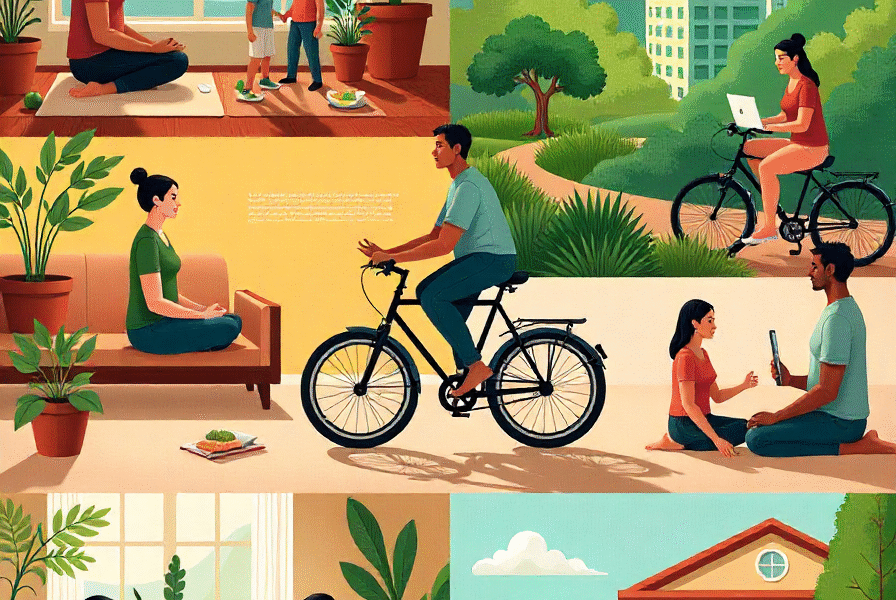
The Shifting Dimensions of Modern Lifestyle: Finding Balance in a Fast-Paced World

Lifestyle today looks nothing like it did a generation ago. The ways people eat, work, travel, relax, and connect have undergone profound transformations, shaped by technology, cultural exchange, and global challenges. In this dynamic environment, conversations about lifestyle extend beyond surface choices like fashion or entertainment. They now include health, sustainability, digital habits, relationships, and the pursuit of personal meaning.
Wellness Beyond the Gym
In previous decades, wellness was often reduced to physical exercise and dieting. Today, the definition has expanded. People are realizing that true health involves the mind as much as the body. Meditation apps, mindfulness retreats, and mental health awareness campaigns are as mainstream as fitness classes. Sleep, once overlooked, is now recognized as a cornerstone of well-being. Many prioritize balanced routines that integrate nutrition, physical activity, mental clarity, and emotional resilience.
Workplaces also reflect this change. Companies are investing in employee well-being through flexible schedules, wellness stipends, and counseling support. The focus is shifting from squeezing more productivity out of workers to creating environments that support long-term health.
Sustainability as a Lifestyle Choice
Sustainability is no longer just an environmental buzzword; it is becoming a daily practice. Choices around diet, travel, housing, and consumer habits increasingly reflect awareness of ecological impact. Plant-based diets, secondhand fashion, and zero-waste living are gaining traction among people who want their actions to align with their values. Cities are responding with bike lanes, green buildings, and expanded public transportation.
The integration of sustainability into lifestyle represents more than individual preference. It demonstrates a collective movement where personal decisions ripple into cultural norms. Reducing waste, conserving resources, and supporting eco-friendly businesses are gradually shaping mainstream behavior.
The Digital Layer of Life
Technology has woven itself into nearly every aspect of lifestyle. Smartphones, wearables, and apps track steps, guide meditation, recommend meals, and even monitor sleep cycles. Social platforms have transformed how people interact, celebrate milestones, and express themselves. At the same time, digital dependence has sparked debates about screen time, attention spans, and privacy.
Balancing digital tools with offline experiences is becoming a core lifestyle challenge. Families experiment with device-free dinners, travelers seek digital detox retreats, and individuals adopt habits like journaling or outdoor activity to create space away from constant notifications. In many ways, the digital layer enriches life, but it also requires deliberate boundaries.
Work-Life Integration
The traditional concept of work-life balance—neatly dividing career and personal time—is giving way to work-life integration. Remote work and flexible schedules allow people to blend professional and personal responsibilities in ways previously unthinkable. For some, this means working from a mountain village or a beachfront café. For others, it allows parents to spend more time with children while remaining engaged in their careers.
This shift has created new freedoms but also blurred lines. Without boundaries, work can spill endlessly into evenings and weekends. Many are now learning that intentional pauses, hobbies, and digital disconnection are essential for maintaining quality of life.
Food as Identity and Experience
Food has always been central to lifestyle, but its role has evolved from mere sustenance to a form of identity and cultural exploration. People are more adventurous with cuisine, embracing international flavors, fusion dishes, and experimental dining. Social media amplifies food culture, turning meals into visual stories and sparking global trends overnight.
Meanwhile, health and sustainability concerns have reshaped diets. Plant-based eating, organic farming, and farm-to-table restaurants are not just trends but reflections of values. Cooking at home has also regained importance, especially as people rediscover the joy of creating meals as a shared family ritual.
Travel as Enrichment
Travel is no longer only about sightseeing; it has become a path to personal growth. Many travelers now seek immersive experiences—learning traditional crafts, volunteering, or staying with local families. Adventure tourism, wellness retreats, and slow travel reflect a desire for meaning over consumption. The pandemic accelerated this trend, reminding people that travel is not guaranteed and that mindful journeys often hold more value than rushed itineraries.
Travel also ties back to sustainability. Conscious travelers increasingly choose trains over planes, eco-lodges over chain hotels, and authentic local experiences over mass tourism. This reflects a broader shift where exploration is measured not by how many places one visits, but by the depth of connection forged.
Relationships and Community
Modern lifestyle emphasizes relationships not only with family and friends but also with broader communities. The isolation brought by urbanization and digital living has created a renewed appreciation for human connection. Shared workspaces, hobby clubs, and volunteer groups provide opportunities to connect outside of traditional structures.
Digital communities also play a role, offering spaces where people with niche interests can gather. While virtual connections cannot replace physical presence, they do provide support networks for those who might otherwise feel isolated.
The Pursuit of Meaning
Perhaps the most defining shift in modern lifestyle is the pursuit of meaning. Beyond material success, many now ask: How do I live a life aligned with my values? This search drives interest in minimalism, spirituality, creative expression, and time spent in nature. People increasingly measure quality of life not by possessions, but by experiences, relationships, and purpose.
The rise of practices like journaling, gratitude exercises, and life coaching reflects this change. While consumer culture remains strong, it coexists with countercurrents that emphasize simplicity and intentionality.
Looking Forward
Lifestyle will continue to evolve as global challenges and opportunities unfold. Climate change, technological innovation, and shifting demographics will shape choices in profound ways. What remains clear is that lifestyle is not static; it is a reflection of both personal decisions and societal currents.
In the coming years, we may see deeper integration of wellness and technology, wider adoption of sustainable living, and further exploration of how digital and physical realities intersect. Above all, the pursuit of balance—in health, work, relationships, and meaning—will remain at the core of how people define their way of living.
Conclusion
Modern lifestyle is a mosaic of interconnected themes: wellness, sustainability, technology, work, food, travel, relationships, and meaning. Each element shapes the others, creating a complex picture of how people live and what they value. The choices made today, both individually and collectively, will define the lifestyle of tomorrow. In a fast-changing world, the challenge and opportunity lie in designing lives that not only adapt but also thrive—lives that balance ambition with rest, consumption with care, and connection with reflection.