Education has always been the cornerstone of human progress. Yet in the 21st century, it is experiencing some of the most dramatic transformations in history. The traditional classroom with rows of desks and chalkboards is no longer the sole image of learning. Instead, education today is a blend of technology, personalized approaches, global perspectives, and evolving values. At its core, modern education is less about memorizing facts and more about equipping individuals with skills, adaptability, and critical thinking to thrive in a rapidly changing world.
From Knowledge Transfer to Skill Development
For much of history, education meant the transfer of knowledge from teacher to student. While this remains important, the focus has shifted. In an era where information is available instantly on smartphones, the ability to memorize facts has diminished in value. What matters more now is how individuals use knowledge—whether they can analyze, interpret, and apply it creatively.
Schools and universities are increasingly placing emphasis on problem-solving, teamwork, and communication skills. Project-based learning, debates, and case studies are replacing rote learning. This reflects a recognition that future workers need to be adaptable, not just knowledgeable.
Technology as a Learning Partner
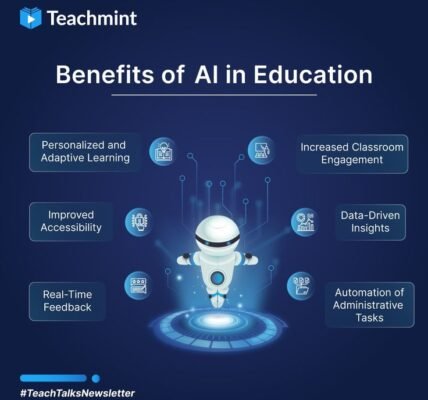
Digital tools have redefined education. From interactive whiteboards to online classrooms, technology enables new possibilities. Virtual reality can take students on historical tours without leaving the classroom, while artificial intelligence can personalize learning by adapting lessons to a student’s pace and strengths.
The COVID-19 pandemic accelerated this trend. Overnight, millions of students and teachers shifted to online learning. While challenges such as unequal access to devices and internet remain, the experience proved that education can extend beyond physical walls. Hybrid models—combining online resources with face-to-face interaction—are becoming common, offering flexibility and broader reach.
Lifelong Learning
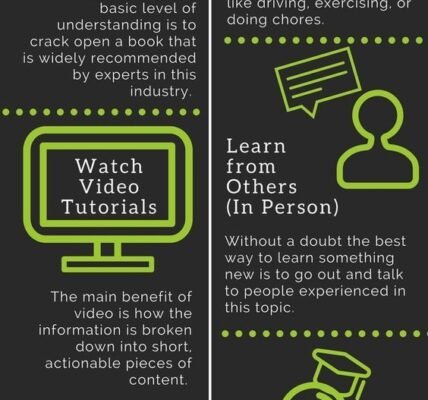
One of the most important shifts is the recognition that education does not end with graduation. In the past, people often viewed learning as a phase of life, confined to school years. Today, with industries evolving rapidly and new technologies emerging, continuous learning has become essential.
Professionals frequently return to online courses, workshops, or certification programs to stay relevant. Platforms offering short, focused lessons allow people to acquire new skills while balancing jobs and family life. This culture of lifelong learning empowers individuals to pivot careers, explore passions, and remain engaged in intellectual growth throughout life.
Global and Cultural Dimensions
Education is no longer bound by geography. Students in one country can attend virtual lectures from professors halfway across the world. This global reach enriches perspectives, exposing learners to different cultures, histories, and approaches to problem-solving.
At the same time, there is a growing appreciation for cultural identity within education. Indigenous knowledge, local traditions, and regional languages are being integrated into curricula to preserve diversity. The challenge lies in balancing global exposure with respect for local heritage.
Equity and Access
Despite advancements, inequalities in education remain significant. Access to quality schooling varies widely based on economic background, location, and resources. Rural communities often lack infrastructure, while underprivileged families may not afford digital tools. Gender disparities in some regions continue to limit opportunities for girls.
Addressing these issues is a priority. Initiatives to provide affordable devices, community learning centers, and inclusive policies are steps toward narrowing the gap. True progress in education will only be achieved when every learner, regardless of background, has equal opportunities to thrive.
Emotional Intelligence and Character Building
Modern education extends beyond academic knowledge. Schools are increasingly focused on developing emotional intelligence—skills like empathy, resilience, and self-awareness. These qualities are essential in navigating personal challenges and building healthy relationships.
Programs in social-emotional learning (SEL) help students understand their emotions, resolve conflicts peacefully, and collaborate effectively. Character education, once considered secondary, is now central. The aim is not just to produce workers, but responsible citizens who contribute positively to society.
The Role of Teachers
While technology plays a significant role, teachers remain irreplaceable. Their role, however, is evolving. Instead of being the sole source of information, teachers act as facilitators, mentors, and guides. They inspire curiosity, nurture creativity, and provide the human connection that technology cannot replicate.
Teacher training is adapting accordingly. Educators are learning to integrate technology, manage diverse classrooms, and support students’ mental health. Their influence continues to shape generations, even as the methods evolve.
The Future of Assessment
Testing has long been a measure of education. Standardized exams, however, often fail to capture creativity, problem-solving, and practical application. As education shifts, so too must assessment. Alternative methods—such as portfolios, presentations, peer reviews, and real-world projects—are gaining recognition.
These approaches evaluate not just what students know, but how they think and apply their knowledge. They also reduce stress associated with high-stakes testing, encouraging deeper engagement with learning.
Looking Ahead
The future of education is fluid and adaptive. Artificial intelligence may personalize entire learning paths, while global collaboration may become the norm. Virtual and augmented reality could make lessons more immersive. At the same time, values like empathy, community, and sustainability will likely gain more importance.
Yet challenges remain. Ensuring equal access, maintaining human connection in digital learning, and addressing the mental health of students are ongoing concerns. The goal is not only to prepare individuals for jobs but to equip them for life.
Conclusion
Education in the 21st century is undergoing a profound transformation. From the rise of lifelong learning to the integration of emotional intelligence, from the expansion of technology to the focus on equity, the landscape is richer and more complex than ever. What defines success today is not simply academic achievement, but the ability to think critically, act responsibly, and adapt continuously.
The journey of education is no longer about reaching a final destination but embracing an ongoing process. In this sense, learning is not confined to classrooms or degrees—it is a way of living, evolving alongside the world itself.