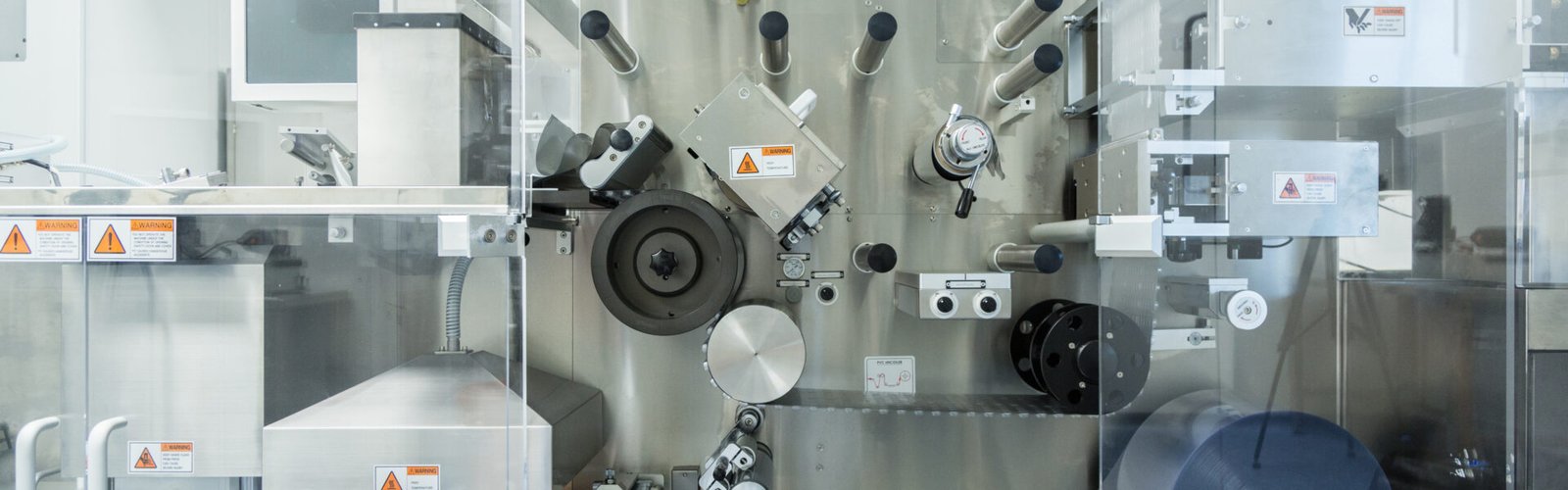

How plastic molding large parts Shapes Industrial Design and Production
Manufacturing has evolved significantly over the past decades, yet the need to produce durable, lightweight, and precisely engineered components remains constant. Among the many techniques used today, plastic molding has become central to producing components that are not only structurally sound but also efficient to manufacture at scale.
When manufacturers focus on plastic molding large parts, they are often addressing complex engineering challenges such as maintaining dimensional stability, managing material flow, and ensuring consistent quality across wide surfaces. This process plays an important role in sectors where size, strength, and weight balance are essential for performance.
Foundations of Plastic Molding
Understanding the Basics of Polymer Processing
Plastic molding refers to a group of manufacturing methods that shape polymer materials into finished forms using heat, pressure, and molds. At its core, the process transforms raw plastic resin into usable products by controlling temperature and mechanical force.
Large components demand additional considerations compared to smaller molded items. As the size of the mold increases, so do factors such as cooling time, material shrinkage, and structural reinforcement. Engineers therefore rely on careful planning and simulation to predict how materials will behave during molding.
The Role of Standards in Molding Practices
Consistency and safety in manufacturing are often guided by globally recognized standards. Organizations such as ASTM International and International Organization for Standardization provide testing methods and guidelines that help manufacturers evaluate material properties, tolerances, and performance.
These standards help ensure that large molded components meet reliability expectations across industries, from transportation to infrastructure.
Types of Molding Methods for Large Components
Injection Molding for High Precision Structures
Injection molding is widely known for producing intricate parts, but it can also be adapted for larger components when supported by specialized equipment. In this process, molten plastic is injected into a mold cavity at controlled pressure.
For large parts, machines with higher clamping force are required to keep molds sealed during filling. Engineers also design advanced gating systems to distribute material evenly and avoid defects such as warping or sink marks.
Advantages of Injection Molding for Larger Parts
- High dimensional accuracy
- Smooth surface finishes
- Ability to integrate complex features
However, tooling costs can be significant, making it most suitable for high production volumes.
Compression Molding for Thick and Reinforced Parts
Compression molding is often selected when parts require structural strength or fiber reinforcement. The process involves placing material into a heated mold and compressing it until it conforms to the cavity shape.
This method is particularly effective for thick components such as panels or housings where uniform density is critical.
Why Compression Molding Is Suitable for Size
Because the material flows under pressure rather than high-speed injection, it can fill large cavities more evenly. This reduces internal stresses and supports consistent mechanical properties across the entire part.
Rotational Molding for Hollow Structures
Rotational molding is frequently used for producing large hollow products such as tanks, containers, and enclosures. The mold rotates while heated, allowing molten plastic to coat the interior surface uniformly.
This technique eliminates the need for high pressure, making it ideal for producing large items with uniform wall thickness.
Materials Used in Large Part Molding
Thermoplastics and Their Versatility
Thermoplastics such as polyethylene and polypropylene are commonly used because they can be melted and reshaped multiple times. Their flexibility, chemical resistance, and relatively low cost make them suitable for a wide range of large products.
Engineering Plastics for Structural Performance
In applications requiring higher strength or heat resistance, engineers may choose materials like polycarbonate or nylon. These polymers maintain mechanical integrity under demanding conditions and are often reinforced with glass fibers to enhance stiffness.
Composite Materials for Advanced Applications
Large molded parts in transportation and aerospace frequently use fiber-reinforced composites. By combining a polymer matrix with fibers such as glass or carbon, manufacturers achieve high strength-to-weight ratios that improve efficiency and durability.
Design Considerations for Large Molded Parts
Structural Integrity and Load Distribution
Designing large plastic components involves understanding how forces will act on the part during use. Engineers analyze stress points and incorporate ribs, supports, or varying wall thickness to distribute loads evenly.
Computer-aided engineering tools allow designers to simulate these stresses before production, reducing the risk of failure.
Thermal Management During Cooling
Cooling is one of the most critical phases in molding large components. Uneven cooling can lead to warping or residual stress. Mold designers therefore integrate cooling channels to maintain consistent temperature across the cavity.
Tolerance and Dimensional Stability
Maintaining tight tolerances becomes more challenging as part size increases. Factors such as material shrinkage and environmental conditions must be accounted for to ensure that finished components meet specifications.
Industry Applications of Large Plastic Molding
Transportation and Mobility
The transportation sector relies heavily on large molded components for both structural and aesthetic purposes. Companies like Toyota use molded panels, dashboards, and interior structures to reduce vehicle weight while maintaining durability.
In aviation, organizations such as Boeing incorporate large composite molded parts into aircraft interiors and structural assemblies to improve fuel efficiency.
Construction and Infrastructure
Plastic molding supports the construction industry through products such as wall panels, insulation components, and modular structures. These parts benefit from corrosion resistance and ease of installation compared to traditional materials.
Energy and Environmental Systems
Large molded plastic tanks and housings are widely used in water treatment, renewable energy systems, and chemical storage. Their resistance to corrosion and chemicals makes them well suited for long-term use in challenging environments.
Consumer and Industrial Equipment
From agricultural machinery covers to large appliance housings, molded plastic components help protect internal systems while keeping overall weight manageable.
Manufacturing Technologies Supporting Large Molding
Automation and Robotics
Modern molding facilities increasingly rely on robotics for material handling, mold changes, and quality inspection. Automation improves repeatability and reduces the risk of human error, particularly when dealing with heavy molds and large parts.
Digital Simulation and Process Optimization
Software tools allow engineers to simulate material flow, cooling rates, and potential defects before manufacturing begins. This predictive approach shortens development cycles and enhances product reliability.
Sustainable Practices in Molding
As environmental considerations become more important, manufacturers are exploring recycled polymers and energy-efficient processes. Closed-loop recycling systems and improved process controls help reduce waste while maintaining quality.
Challenges in Producing Large Molded Components
Tooling Complexity
Large molds require significant investment and precision machining. Ensuring alignment and durability over repeated cycles is essential for consistent output.
Material Handling and Logistics
Transporting raw materials and finished parts can be more demanding when dealing with large dimensions. Facilities often need specialized equipment such as cranes or automated guided vehicles.
Quality Assurance
Inspecting large components requires advanced measurement techniques, including 3D scanning and non-destructive testing, to verify structural integrity without damaging the part.
Future Directions in Large Part Plastic Molding
Advanced Materials and Lightweighting
Research into high-performance polymers and bio-based materials is expanding the possibilities for large molded components. These innovations aim to reduce environmental impact while maintaining strength and durability.
Integration with Smart Manufacturing
The adoption of Industry 4.0 technologies allows machines to collect real-time data on temperature, pressure, and cycle times. This information helps optimize production and predict maintenance needs.
Expanding Design Freedom
As simulation and material science advance, designers gain more freedom to create complex shapes and multifunctional components that were once difficult to manufacture at large scale.
Conclusion
Plastic molding continues to play a vital role in modern manufacturing, particularly when producing large components that must balance strength, weight, and cost efficiency. By combining advanced materials, precise engineering, and evolving technologies, manufacturers can create parts that meet the demands of diverse industries ranging from transportation to infrastructure.
Understanding the processes, materials, and design considerations behind large part molding provides valuable insight into how everyday products and critical systems are made. As innovation continues, this field is likely to remain a cornerstone of industrial production, supporting new applications and more sustainable manufacturing approaches.